

The Hidden Costs Of Paper Sheeting: 4 Sources Of Production Waste Many Factories Overlook
In paper converting, production waste does not always come from defective raw materials or outdated machinery. In many cases, it develops gradually during routine operations: machine setup, cutting, sheet handling, and downstream processing.
For paper mills and converting plants, these losses can be difficult to identify because they are spread across different stages of production. A small amount of waste during each changeover, inconsistent cutting quality, or repeated manual handling may seem manageable on its own. Over time, however, these issues can affect material utilization, labor efficiency, and overall production capacity.
Setup Waste During Paper Size Changes
Paper converters often process different sheet sizes, paper grades, and order quantities. Every change in production requirements may involve adjustments to cutting parameters, paper alignment, and stacking settings.
If setup procedures are time-consuming or require repeated trial cuts, usable paper can be consumed before stable production begins. Frequent order changes can make this problem more noticeable, especially in plants handling multiple specifications.
The key is to evaluate not only the machine's maximum speed, but also how easily it can be adjusted for the sizes and materials used most frequently.
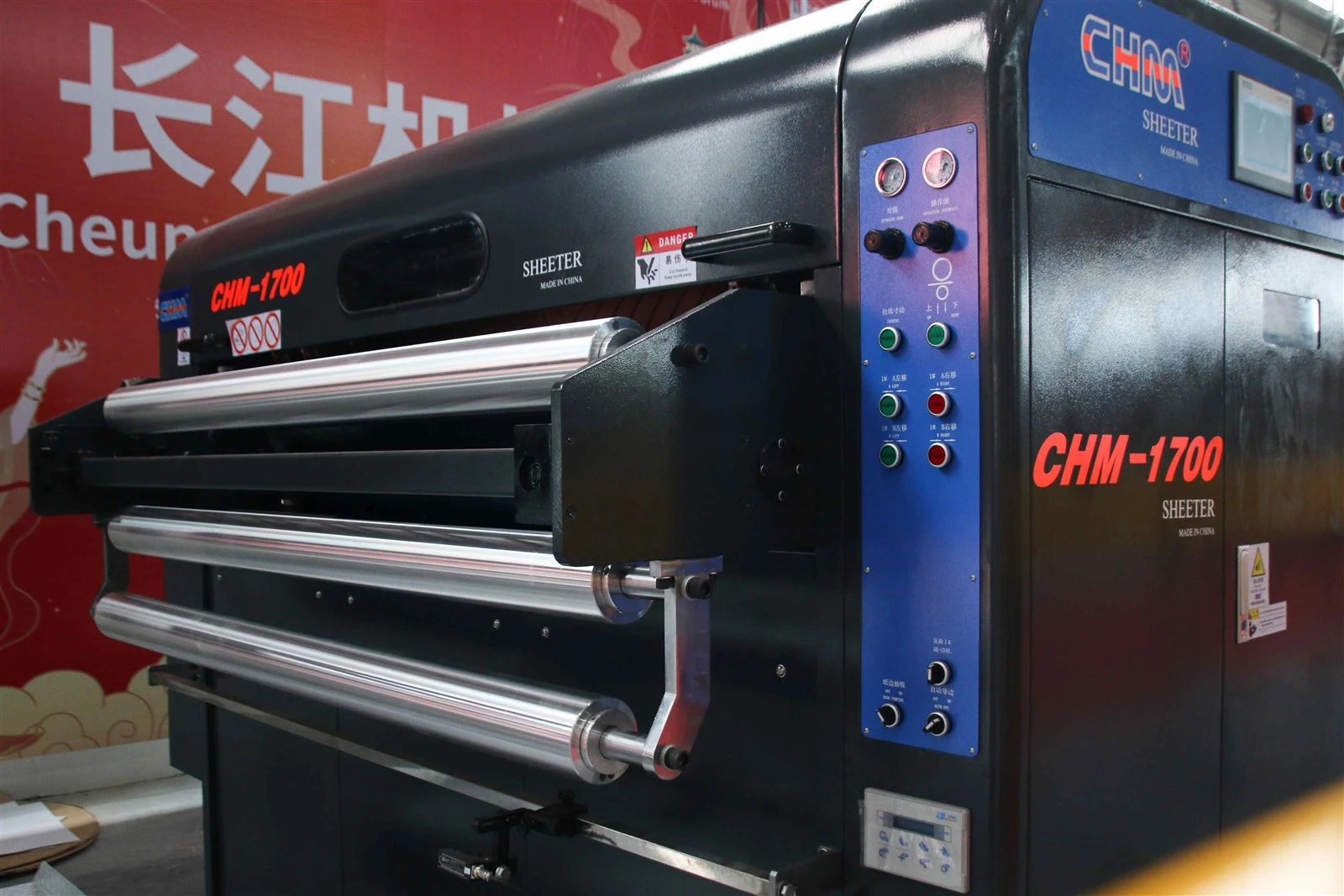
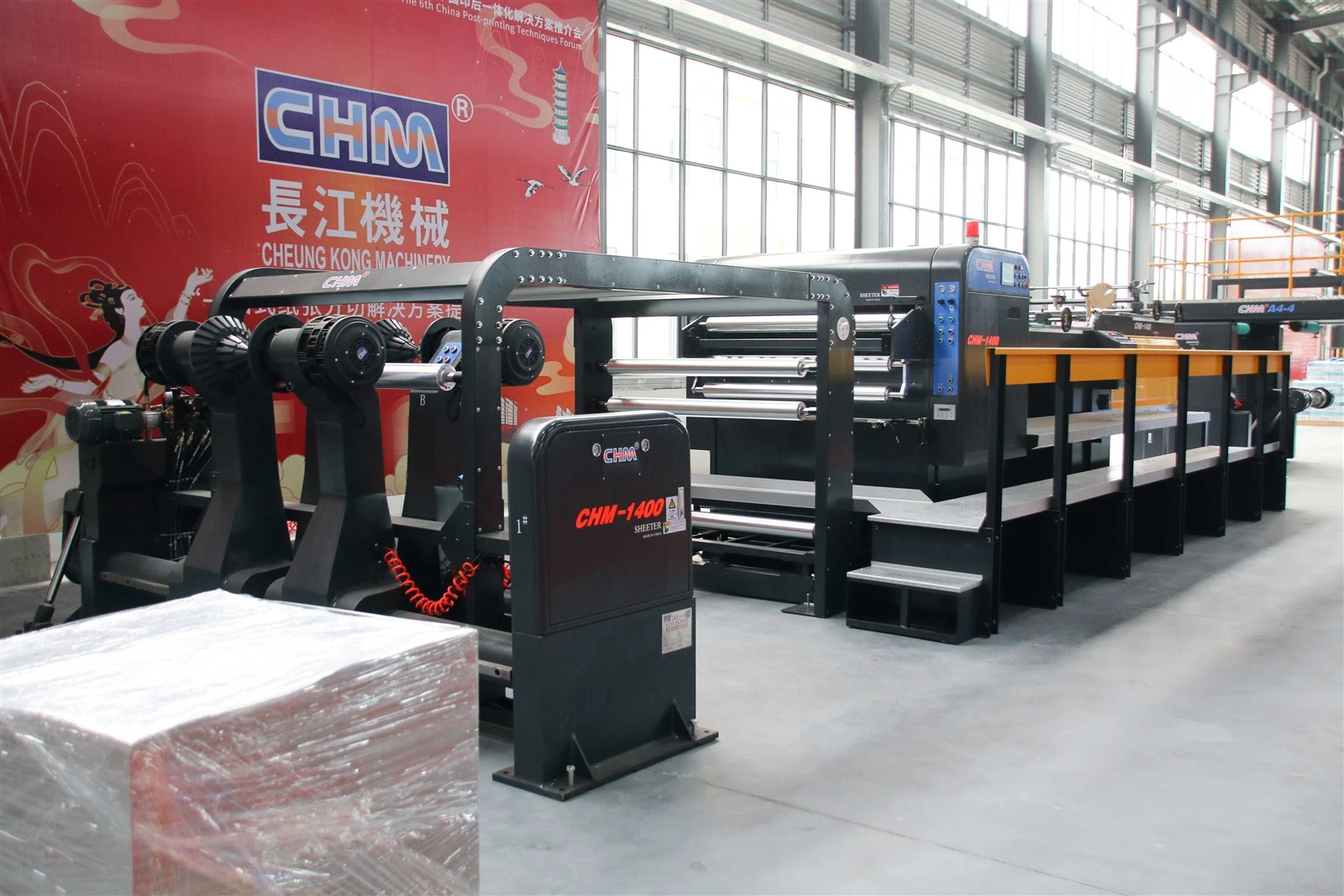
CHM solution: CHM Single Rotary Paper Sheeters, including the CHM-1400, CHM-1700, and CHM-1900, provide options for different cutting widths and roll-to-sheet applications. The appropriate configuration should be selected according to the required sheet dimensions, paper grades, and production plan.
2. Cutting Quality Problems That Affect Downstream Processes
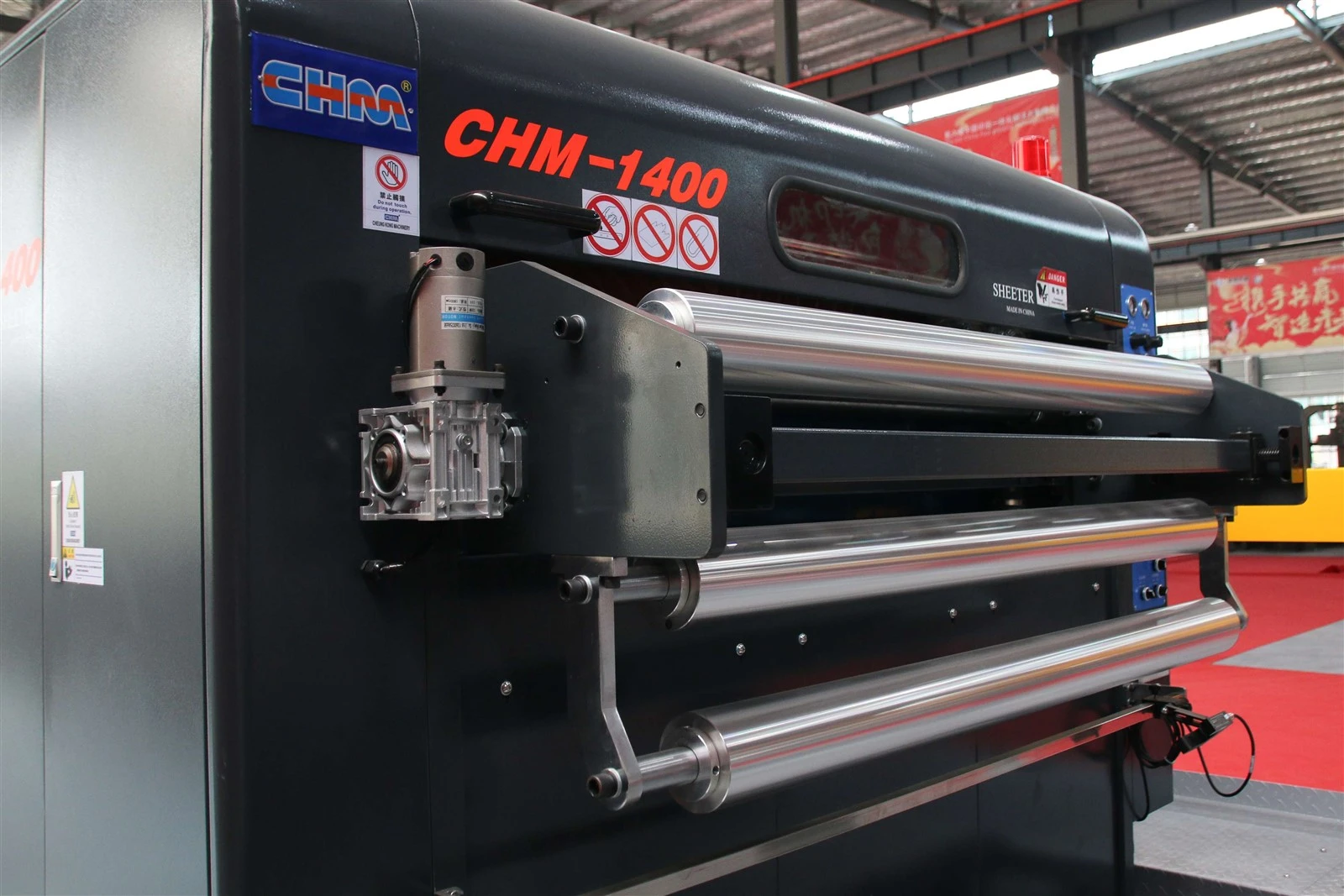
Cutting defects can create costs beyond the sheeting stage. Uneven edges, dimensional variation, or out-of-square sheets may lead to additional inspection, sorting, rework, or problems during subsequent printing and converting operations.
The causes are not always limited to the knife. Mechanical stability, drive synchronization, paper feeding, and operating conditions can all influence cutting performance.
For applications involving heavier paperboard or demanding cutting requirements, the choice of cutting system deserves particular attention. Equipment should be evaluated using the actual paper grades, sheet sizes, and target production speeds.
CHM solution: CHM Double-Rotary Paper Sheeters use synchronized upper and lower rotary knives. Depending on the material and machine configuration, this cutting arrangement can be considered for applications where cutting quality and stable high-speed operation are important.
3. Material Loss Caused by Unstable Production
A machine may achieve its rated speed under suitable conditions, but that does not mean every paper grade can be processed continuously at the same speed.
Paper characteristics, web tension, feeding stability, and sheet collection can influence the achievable operating speed. If operators repeatedly slow down the machine, adjust settings, or stop production to address quality problems, actual output may fall below expectations.
This is why production efficiency should be assessed across the entire operating cycle rather than by maximum speed alone.
CHM solution: For applications requiring synchronized cutting performance, CHM's Double-Rotary and high-precision sheeting solutions can be evaluated against the customer's material specifications and operating targets. Production trials are recommended when cutting accuracy and sustained speed are critical acceptance criteria.
4. Labor and Handling Bottlenecks
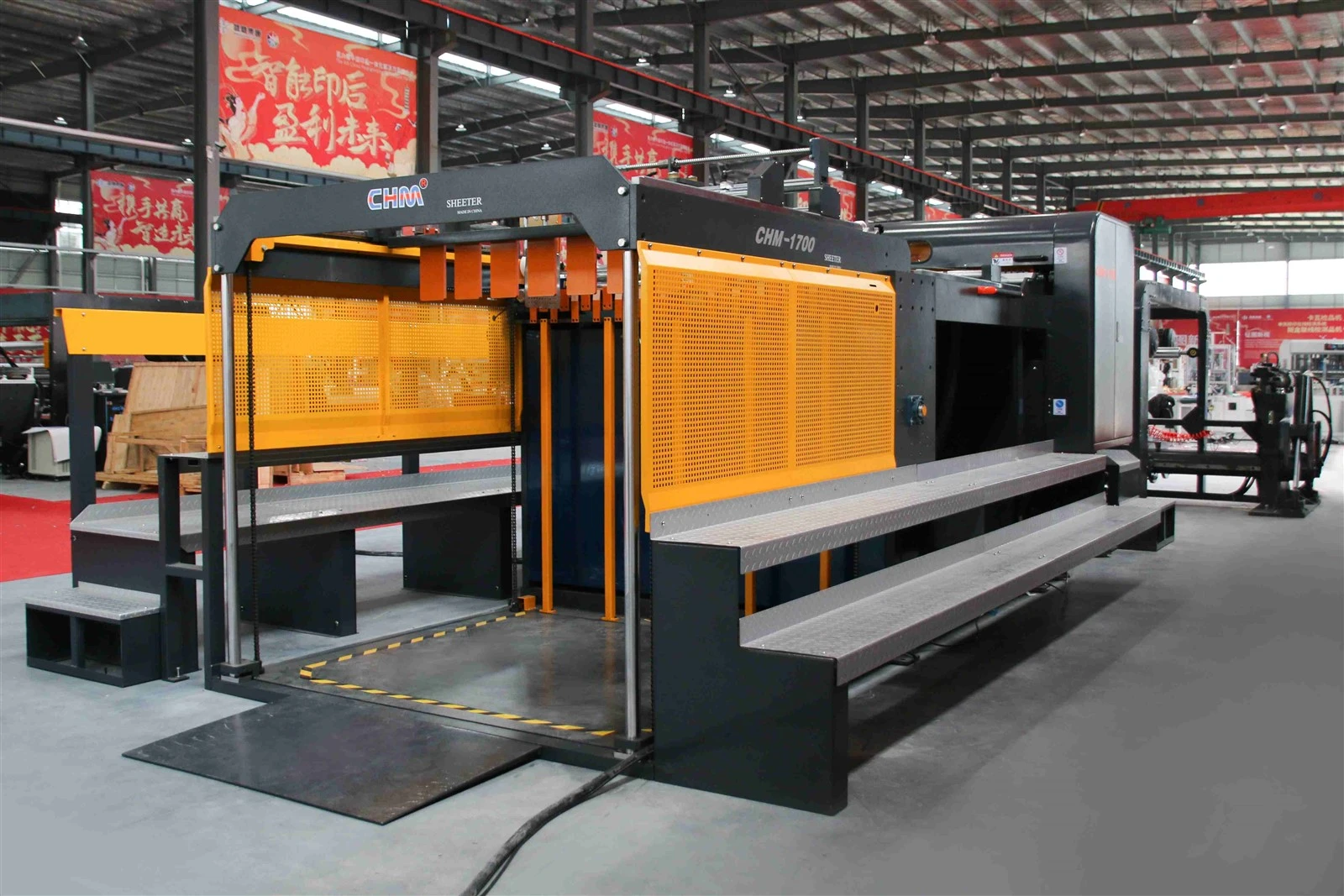
Cutting paper efficiently is only one part of the production process. After sheeting, paper must be collected, counted, wrapped, packed, and transferred. When these stages depend heavily on manual handling, they can restrict the output of an otherwise capable cutting line.
Manual intervention may also increase the risk of handling errors, inconsistent packing, and delays between processes.
For A4 copy paper manufacturers, integrating sheeting with ream wrapping and downstream packing can help create a more coordinated production workflow.
CHM solution: CHM A4 production lines, including the CHM-A4-2 and higher-capacity configurations such as the CHM-A4-4 and CHM-A4-5, address different production requirements. The right choice depends on planned output, available floor space, packaging requirements, and the level of automation needed.
How to Identify the Right Solution
Before investing in new equipment, paper converters should review four key factors: material waste during setup, cutting quality and consistency, sustainable operating speed, and the efficiency of downstream handling.
It is also important to distinguish between a machine's rated specifications and its performance under actual production conditions. Paper grade, basis weight, sheet size, operating speed, and machine configuration all influence the result.
The objective is not simply to install a faster machine. It is to reduce avoidable losses while maintaining consistent quality and a reliable production flow.
Contact CHM Machinery to discuss your paper specifications, production targets, and roll-to-sheet converting requirements.
How to contact with us:
Email: chm007@szchm.com
Wechat/Phone/WhatsApp:+8617371066702
Follow me on Social Media:
Facebook: https://www.facebook.com/facebookCHMCassie/
Instagram: https://www.instagram.com/chm_sheeter_cassie/
LinkedIn: www.linkedin.com/in/chm-cassie-she-6b6200302
Youtube:www.youtube.com/@CassieShe


