

How Automation On Paper Reel To Sheet Cutting Machines Reduces Downtime & Labor Costs
In the paper converting industry, buyers are often drawn to the "maximum operating speed" on the spec sheet. However, plant managers who have done the math on the production floor know the truth: the actual profitability of a line is not determined by the few minutes the machine runs at top speed, but by how much time the machine spends actually cutting paper each day.
No matter how robust the mechanical performance of the cutting host is, downtime caused by roll changes, pallet exchanges, format adjustments, and manual handling silently devours theoretical capacity. This is exactly the core value of automation features on a Paper Reel To Sheet Cutting Machine: transforming time black holes that were originally "planned downtime" into tangible output.
01
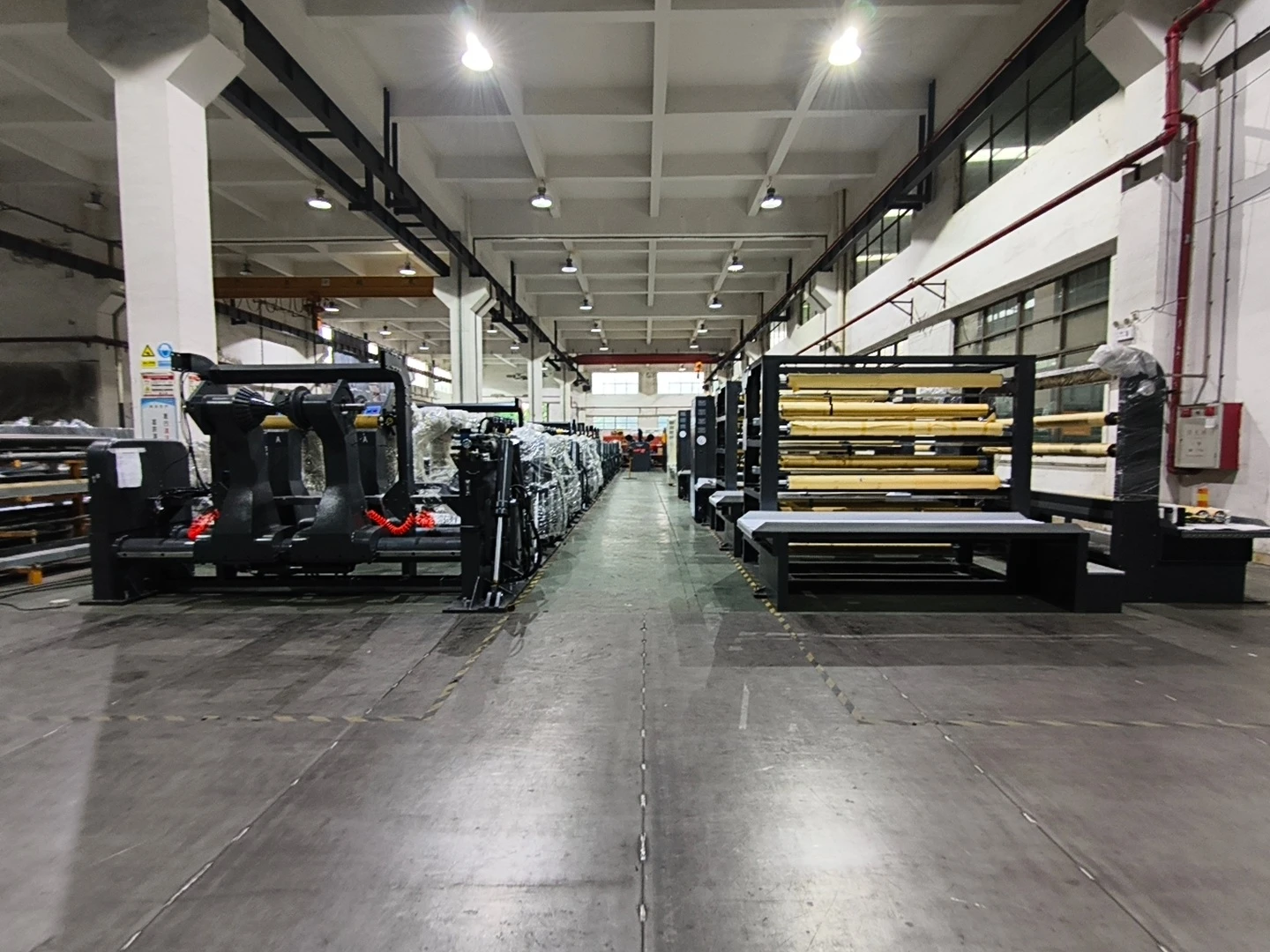
Non-Stop Sheet Collection: Solving the Mandatory Stop After a Full Stack
02
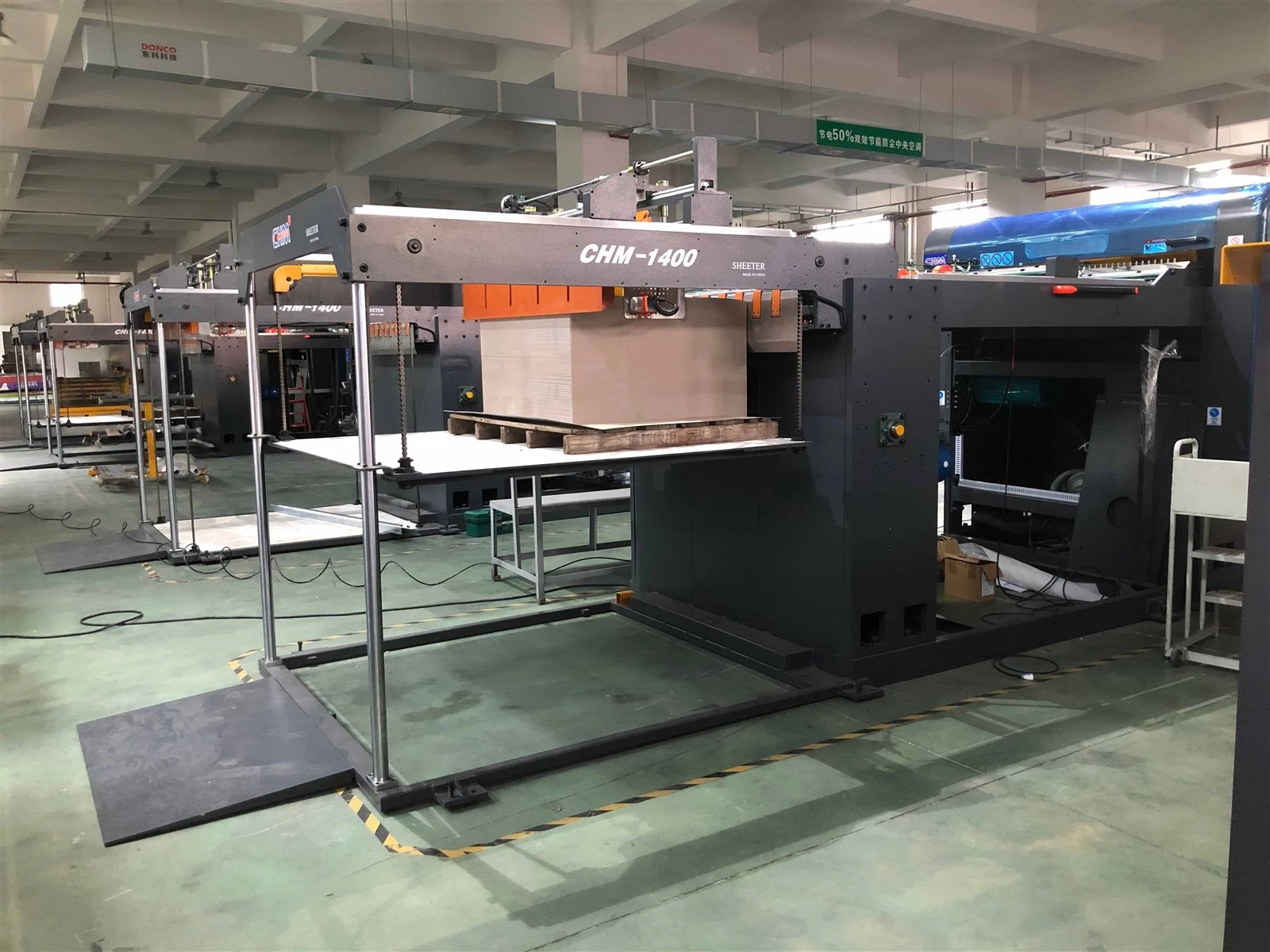
Automatic Splicing Systems: Eliminating Production Interruptions Caused by Roll Changes
03
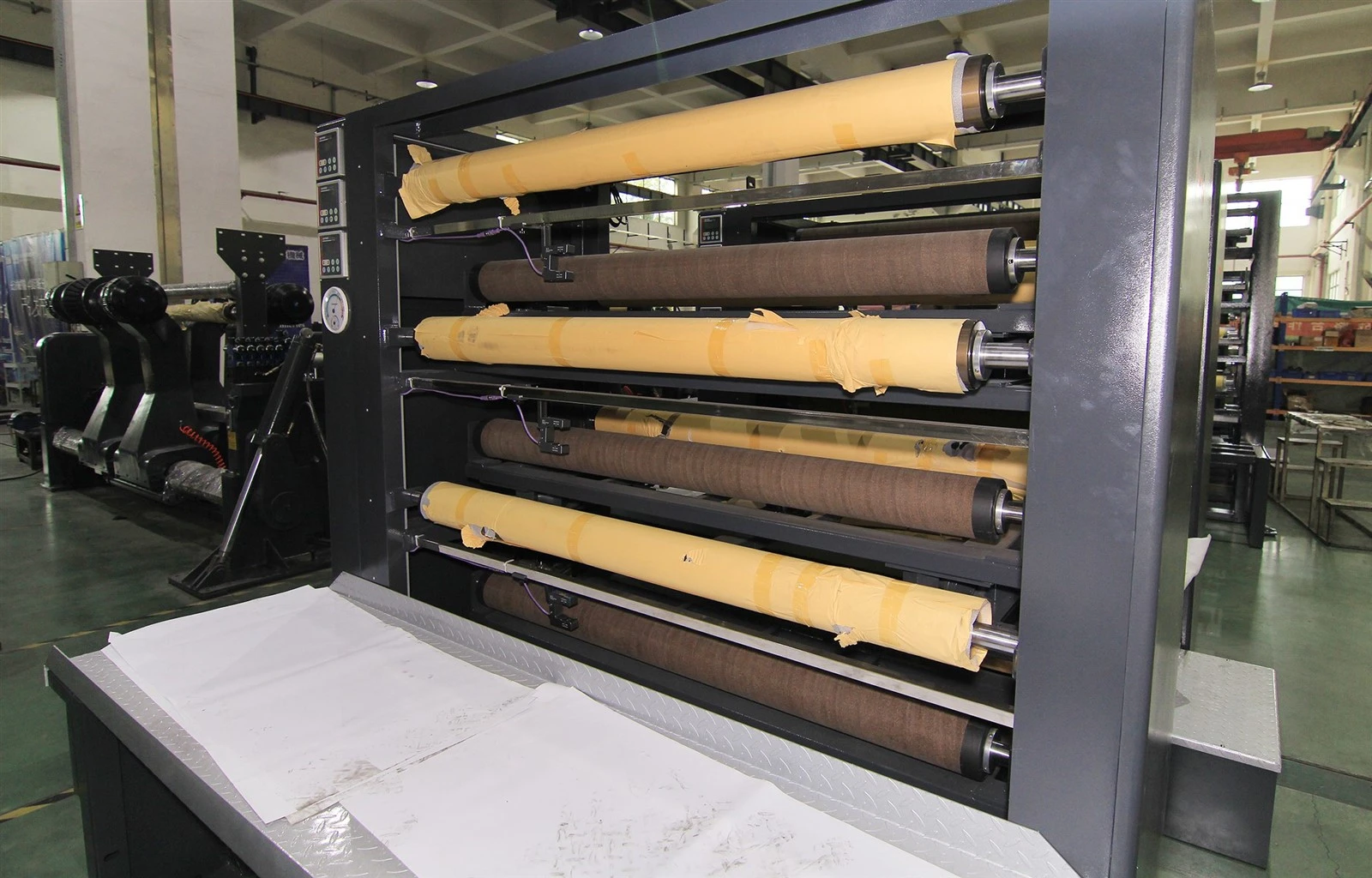
Robotic Palletizing and Automated Conveying: Reshaping Downstream Manual Handling
04
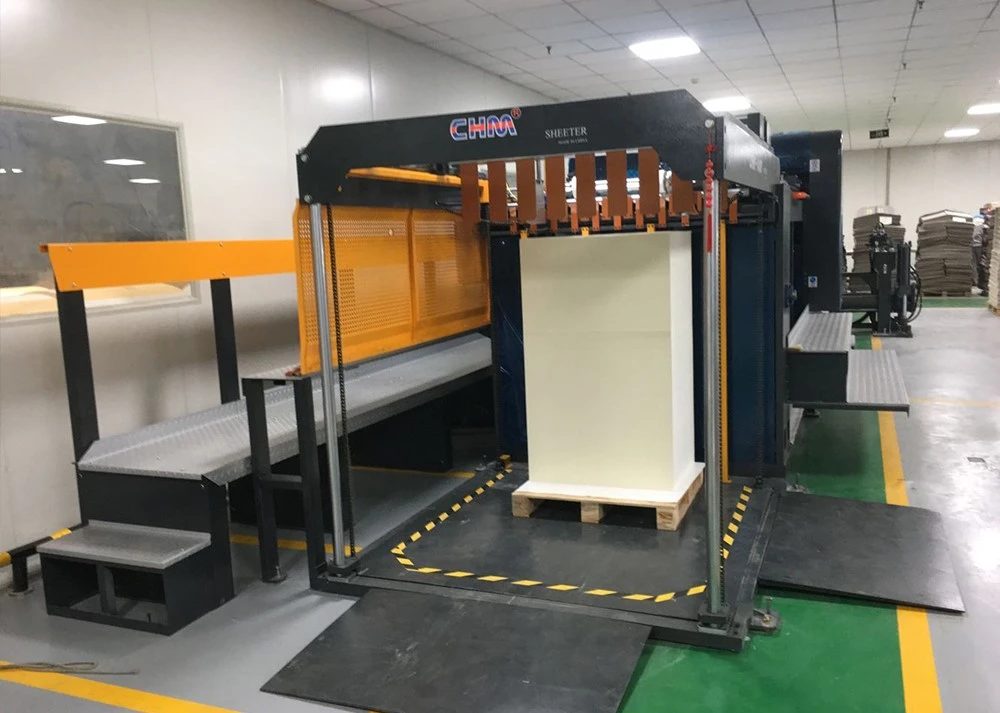
Automatic Knife Positioning and Quick Changeovers: Shortening Setup Time for Multi-Spec Production
I. Non-Stop Sheet Collection: Solving the Mandatory Stop After a Full Stack
In traditional sheet cutting, once the paper stacks to a certain height, the pallet must be removed and prepared for the next stack. If the machine must stop for this, the collection end becomes the bottleneck of the entire line's capacity, no matter how fast the cutting section runs.
Modern non-stop sheet collection systems (or quick pallet exchange mechanisms) use buffer structures to temporarily catch the paper flow, allowing the finished stack to be removed while the machine continues to run (or requires only a very brief speed reduction). The core value of this design is the significant reduction of planned downtime caused by pallet changes. At the delivery end of its cutting machines, CHEUNG KONG MACHINERY utilizes a "single-action" jogging structure (one side stationary, one moving), ball screw adjustments, and pneumatic self-locking lifting designs. This makes the handover and transfer of paper stacks much smoother, ensuring continuous and effective operation of the cutting host.
II.Automatic Splicing Systems: Eliminating Production Interruptions Caused by Roll Changes
When a paper roll runs out, operators typically need to slow down, load a new roll, handle the old core, and re-thread the paper. Not only does this consume time, but the sudden change in resistance at the splice point easily leads to web breaks. The goal of an automatic splicing system is to seamlessly connect the new roll with the old one just before depletion, thereby eliminating the downtime and waste associated with traditional roll changes.
For factories with continuous production needs, frequent roll changes, or multi-shift operations, this feature is crucial. CHEUNG KONG MACHINERY provides a hydraulic dual-station shaftless mill roll stand at the unwinding unit of its cutting machines. Combined with the coordinated control of pneumatic multi-point disc brakes, the system can adaptively fine-tune the resistance as the splice passes through, ensuring a smooth transition and significantly reducing manual intervention and web break rates.
III. Robotic Palletizing and Automated Conveying: Reshaping Downstream Manual Handling
The completion of cutting on a Paper Reel To Sheet Cutting Machine does not mean the production process is over. Finished paper stacks still need to be transferred, packaged, or fed into the next printing process. In traditional standalone production, this part is highly dependent on manual handling and forklift scheduling, which is not only labor-intensive but also easily causes material congestion between processes.
Integrating the cutting machine with automated palletizing and conveying systems can significantly reduce manual involvement and make the connection between processes much smoother. This advantage is particularly evident in high-speed cutting lines: equipped with a six-axis industrial robot, the stacking, packaging, and warehousing of finished paper stacks achieve an unmanned closed loop. Workers can be liberated from heavy manual handling and transferred to higher-value positions such as quality control and equipment inspection.
IV. Automatic Knife Positioning and Quick Changeovers: Shortening Setup Time for Multi-Spec Production
Facing an increasing number of multi-spec, small-batch orders, changeover efficiency can be more important than maximum operating speed. Traditional setup relies heavily on the "experience of veteran operators," and adjusting knives, setting clearances, and finding synchronization is often time-consuming and laborious.
Modern automation designs for cutting machines are changing this status quo. For example, dual servo motors with electronic gear synchronization ensure accurate phase alignment of the upper and lower knife shafts after a changeover; slitting knives use dual guide rails, dual pneumatic cylinder locking, and automatic knife positioning systems to transform manual knife setting into mechanical automatic positioning. The goal of these features is to replace manual experience with mechanical certainty, shortening the window from "stopping to change knives" to "producing qualified products again."
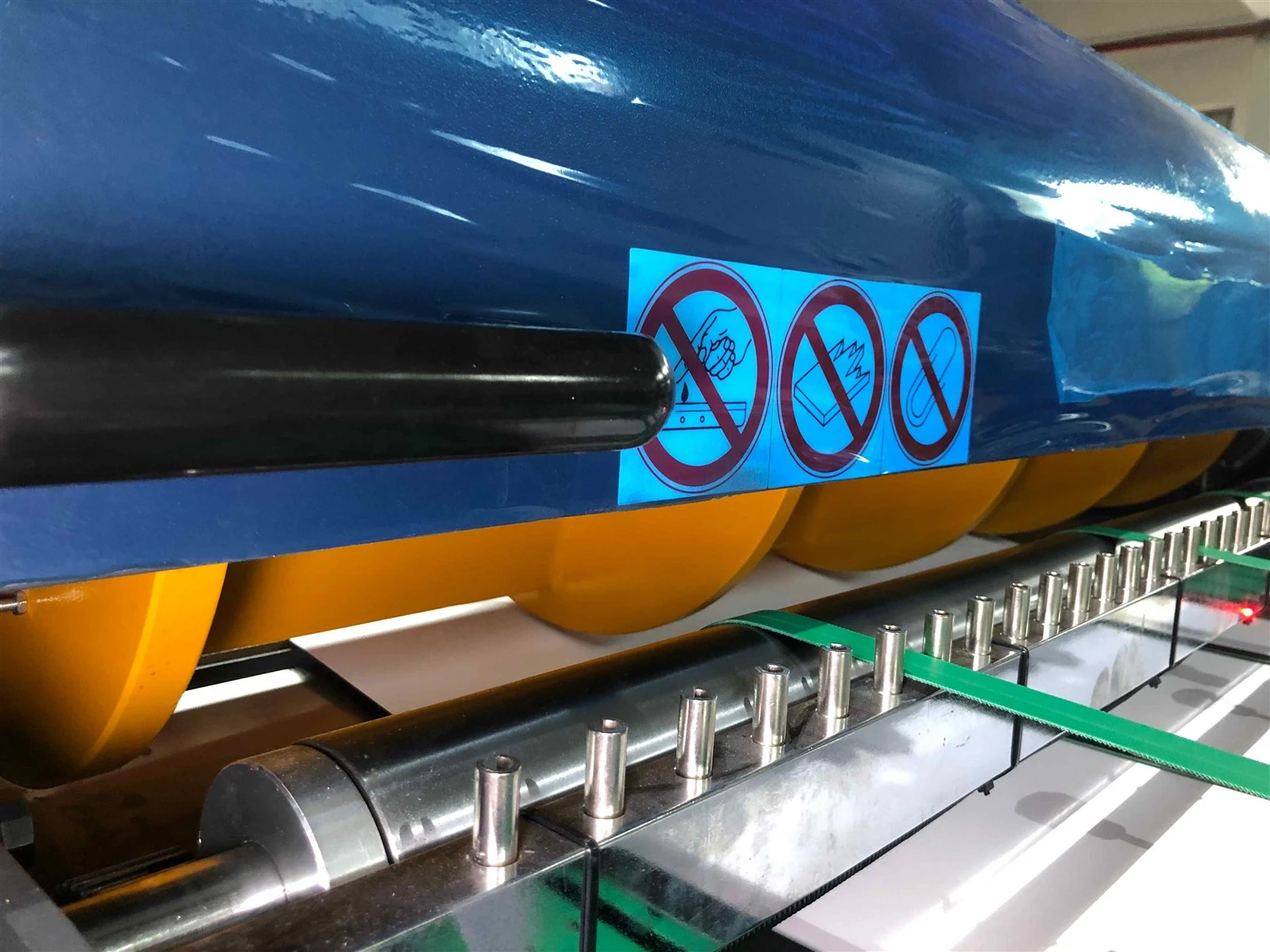
Customized Configuration: Don't Force Every Factory to Pay for "Extreme Automation"
Although automation features can bring significant cost reduction and efficiency increases, in actual selection, having the most comprehensive automation is not always the best. Blind investment divorced from the factory's actual production volume, shift patterns, and order structure is irrational.
The automation configuration of a Paper Reel To Sheet Cutting Machine should be based on the customer's actual production logic:
- Customers focused on "Changeover Efficiency": If the factory specializes in multi-spec, small-batch orders and frequently changes paper grammage and dimensions, priority should be given to a cutting machine equipped with dual servo synchronization, pneumatic locking, and a quick knife-change system. These configurations directly reduce setup time and are key to improving Overall Equipment Effectiveness (OEE).
- Customers focused on "Continuous In-Line Production": If the factory has huge output and pursues unmanned or lean staffing, they should focus on a fully automatic line featuring non-stop collection, automatic splicing, and downstream robotic palletizing. At this point, they are calculating the big picture-eliminating one downtime event or saving one laborer's salary will pay back the investment in the automation module within a year or two.
- Customers focused on "Basic Stability": For regions with limited budgets and relatively low labor costs, abandoning some high-end automation options and concentrating funds on the rigidity and cutting accuracy of the cutting machine's main body is also a pragmatic strategy.
Automation is not the goal, but a means to solve production bottlenecks. The CHEUNG KONG MACHINERY product line covers a variety of configurations, from standalone manual units to fully automated in-line systems. We advocate working with our clients to analyze the "time funnels" in their production processes and tailor the most suitable automation solution based on their actual paper types, shift patterns, capacity expectations, and labor conditions.
For selection calculations or on-site trial cutting evaluations, please contact CHEUNG KONG MACHINERY.
How to contact with us:
Email: chm007@szchm.com
Wechat/Phone/WhatsApp:+8617371066702
Follow me on Social Media:
Facebook: https://www.facebook.com/facebookCHMCassie/
Instagram: https://www.instagram.com/chm_sheeter_cassie/
LinkedIn: www.linkedin.com/in/chm-cassie-she-6b6200302
Youtube:www.youtube.com/@CassieShe


